Root Canal Treatment: Do I Need One?
Tooth pain does not always mean you need a root canal. Sometimes sensitivity is caused by exposed dentine, a worn filling or irritated gums. But when pain is deep, persistent or keeps returning, it may indicate that the soft tissue inside the tooth has become inflamed or infected.
This is often called the “nerve” of the tooth, although the clinical term is the dental pulp. It contains nerves and blood vessels, and when it becomes badly inflamed, the tooth may not be able to settle down on its own.
Root canal treatment is designed to remove the damaged pulp, clean the inside of the tooth and seal it so the natural tooth can remain in place. At Spring Hill Dental, Dr Peter Wong takes the time to explain what is happening, what your options are and whether root canal treatment is genuinely necessary
What Is Root Canal Treatment?
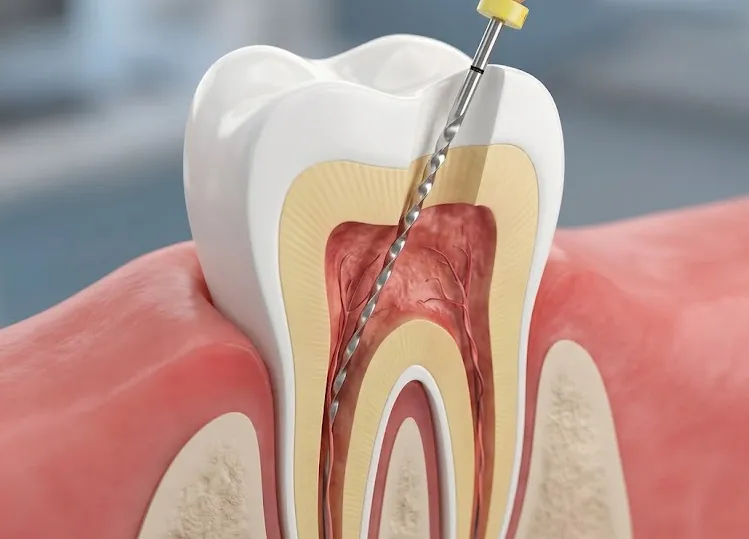
Every tooth has a hard outer structure protecting a softer centre. The pulp sits inside the tooth and extends down through the roots in narrow canals.
The pulp can become irritated or infected because of:
- Deep tooth decay
- A crack or fracture
- A large or failing filling
- Previous dental trauma
- Repeated treatment on the same tooth
- Wear that has allowed bacteria to reach the centre of the tooth
When the pulp is inflamed, you may experience pain or sensitivity. If bacteria enter the pulp, an infection can develop around the end of the root. This may form an abscess.
A root canal removes the damaged tissue from inside the tooth. The canals are then cleaned, shaped and sealed. The tooth is restored with a filling or, in some cases, a crown to help protect it from further damage.
What Are the Signs You May Need a Root Canal?
The symptoms can vary, and some infected teeth cause very little discomfort. That is why an examination and appropriate X-rays are important.
Common signs include:
- Severe or lingering pain when drinking something hot or cold
- Pain when biting or chewing
- A dull, deep ache in one particular tooth
- Pain that wakes you at night
- Pain that spreads into your jaw, ear or temple
- Swelling or tenderness around the tooth
- A small pimple or blister on the gum
- A bad taste in your mouth
- Darkening or discolouration of the tooth
- Sensitivity that continues after the hot or cold trigger is gone
One of the more important clues is lingering sensitivity. If a tooth reacts briefly to cold and settles almost immediately, it may have a less serious cause. If the pain continues for several seconds or longer, or appears without an obvious trigger, the pulp may be more seriously irritated.
That said, symptoms alone cannot confirm whether you need a root canal. Similar symptoms can be caused by a cracked tooth, a loose filling, gum problems or other dental conditions.
Is a Root Canal Always Necessary?
No. Not every painful or sensitive tooth needs root canal treatment.
The appropriate treatment depends on what is causing the problem and how much healthy tooth structure remains. Depending on the diagnosis, treatment might include:
- Replacing a damaged filling
- Treating tooth decay
- Managing sensitivity
- Repairing a crack
- Adjusting the bite
- Monitoring a tooth that is likely to settle
- Root canal treatment
- Removing the tooth if it cannot be predictably restored
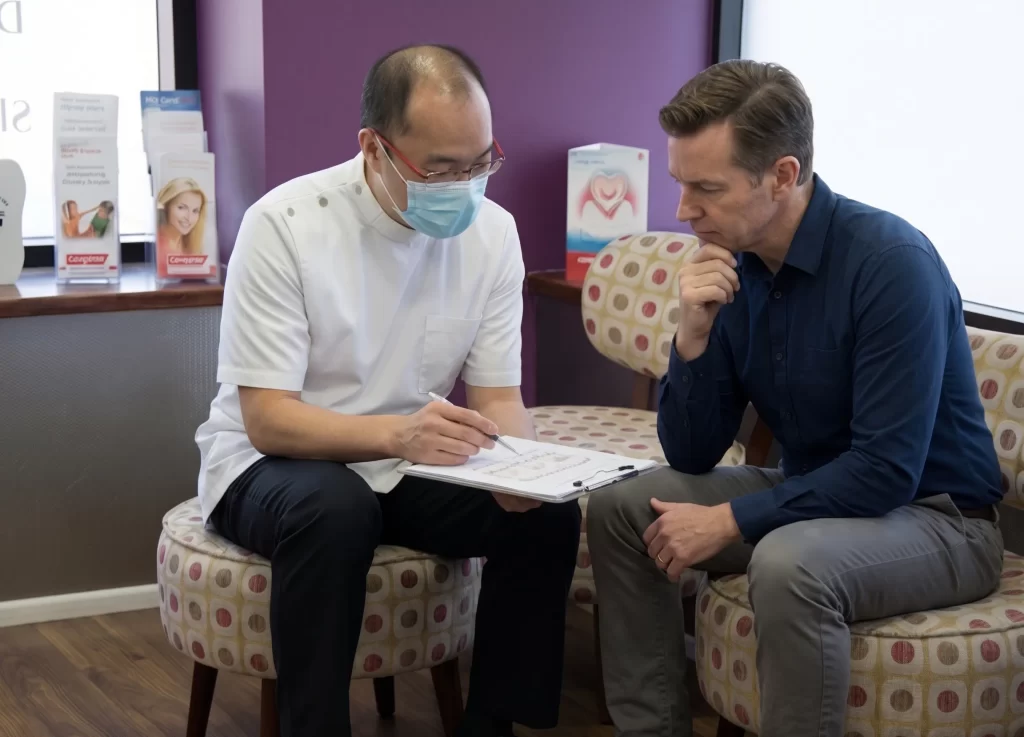
This is where an honest diagnosis matters. A root canal is a specific treatment for a damaged or infected dental pulp. It is not a default treatment for every toothache.
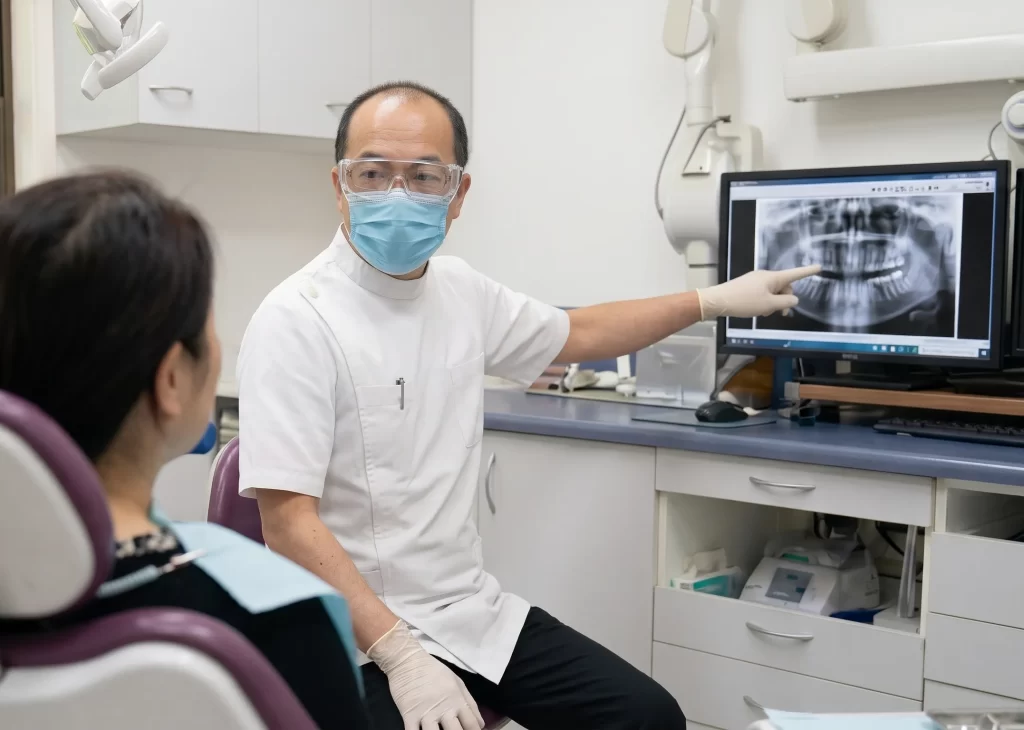
Dr Wong’s approach is to assess the tooth properly, show you what the X-rays reveal and explain the available options before treatment begins. If the tooth does not need a root canal, you should be told that clearly.
What Happens During Root Canal Treatment?
The procedure varies depending on the tooth, the extent of the infection and the number of canals involved. In general, the process involves several stages.
1. Examination and X-rays
Dr Wong will examine the tooth and ask about your symptoms. X-rays can help show the shape of the roots, the extent of any infection and whether the tooth can be restored.
2. Local anaesthetic
The tooth and surrounding area are numbed before treatment begins. You may feel pressure or movement, but you should not feel sharp pain during the procedure. If you are nervous, tell the team before starting. Extra time can be taken to make sure you are comfortable.
3. Cleaning the canals
A small opening is made in the tooth so the damaged pulp can be removed. The canals inside the roots are carefully cleaned and prepared.
4. Sealing the tooth
Once the canals have been cleaned, they are filled and sealed to reduce the risk of bacteria getting back inside.
5. Restoring the tooth
The tooth will usually need a permanent filling or another restoration. Back teeth can be exposed to considerable chewing pressure, so a crown may be recommended when additional strength is needed.
Dr Wong will explain the recommended restoration and provide a written quote before proceeding.
Is Root Canal Treatment Painful?
The purpose of root canal treatment is to remove the source of the pain. During the procedure, the tooth is numbed with local anaesthetic.
It is normal to experience some tenderness after treatment, particularly if the tooth was already inflamed or infected. This usually settles as the surrounding tissues recover. Your dentist will provide aftercare instructions and advise you about suitable pain relief.
If you are worried about pain, dental treatment or feeling out of control, mention it when booking. Nervous patients are welcome at Spring Hill Dental, and the appointment can be approached gradually. You should not feel embarrassed about being anxious.
Root Canal Treatment FAQ
Root canal treatment can sound intimidating, especially if you have never had it before. Here are answers to some of the questions we hear most often. If your situation is different, Dr Wong can explain what applies to your tooth during an appointment.
1. How long does root canal treatment take?
The appointment length depends on the tooth and the complexity of the canals. Some teeth can be treated in one appointment, while others may require more than one visit.
2. How much does a root canal cost in Brisbane?
The cost depends on the tooth being treated, the complexity of the procedure and the restoration required afterwards. Spring Hill Dental provides a written quote before treatment so you can understand the expected cost and your potential health fund rebate.
3. Can a root canal fail?
Root canal treatment has a high success rate, but no dental procedure can be guaranteed. Problems can occur if bacteria re-enter the tooth, if a fracture develops or if a canal is particularly difficult to clean. Good restoration and regular dental care help protect the tooth.
4. What happens if I do not have a root canal?
If the pulp is badly inflamed or infected, the problem may worsen or develop into an abscess. In some cases, the tooth may eventually need to be removed. The right decision depends on an examination, the X-rays and whether the tooth can be predictably restored.
5. Is it better to have a root canal or an extraction?
When a tooth can be saved, keeping the natural tooth is often preferable. However, root canal treatment is not suitable for every tooth. Dr Wong can explain the benefits, limitations and likely next steps for your particular situation.
What to Expect After Root Canal Treatment
It is normal for the tooth and surrounding gum to feel tender after root canal treatment, particularly if the tooth was painful or infected before the appointment. This usually improves over the following few days.
You may notice some sensitivity when biting or chewing. The tooth can also feel slightly different from the surrounding teeth while the tissues settle. This does not necessarily mean something has gone wrong.
In the First Few Hours
Your mouth may remain numb for a while after treatment. Take care not to bite your cheek, lip or tongue while the anaesthetic is wearing off.
Unless Dr Wong gives you different instructions, it is generally sensible to avoid chewing until the numbness has gone. Once you can feel your mouth properly again, choose softer foods if the tooth feels tender.
Over the Next Few Days
Some mild soreness is expected. Follow the aftercare advice provided at your appointment and take suitable pain relief only as directed.
Try not to chew hard foods directly on the treated tooth until it has received its permanent restoration. A tooth that has had root canal treatment may be more vulnerable to fracture, especially if a large amount of its original structure has been lost.
This is why the final restoration is an important part of the treatment. Depending on the tooth and how much healthy structure remains, Dr Wong may recommend a filling, crown or another restoration to protect it.
When to Contact the Practice
Contact Spring Hill Dental if:
- Your pain is severe or getting worse rather than settling
- You develop noticeable swelling
- Your bite feels uneven or the tooth hits first when you close your teeth
- A temporary filling becomes loose or falls out
- Your symptoms return after initially improving
These problems do not always mean the treatment has failed. Sometimes the bite needs a small adjustment, or the tooth needs to be reviewed while it continues healing.
How Long Does Healing Take?
The tooth may feel better quite quickly, but the tissues around the root can take longer to heal. Your dentist will explain whether you need a follow-up appointment and when the permanent restoration should be completed.
The most important thing is not to treat the root canal as the final step. Restoring and looking after the tooth afterwards helps give it the best chance of remaining strong and functional.
Do You Have Persistent Tooth Pain?
If one tooth keeps hurting, reacts strongly to hot or cold drinks, or feels painful when you bite, it is worth having it assessed rather than continuing to wait for it to settle.
You can reach our Spring Hill practice on (07) 3236 9298 or pop in – we’re at 1/363 Turbot Street, right next to Woolworths. We keep same-day appointments available for anyone in pain.
Chat first. Drill later.
New patients are always welcome. We'll take the time to understand what's going on and walk you through your options - with no pressure to commit to anything on the day.
